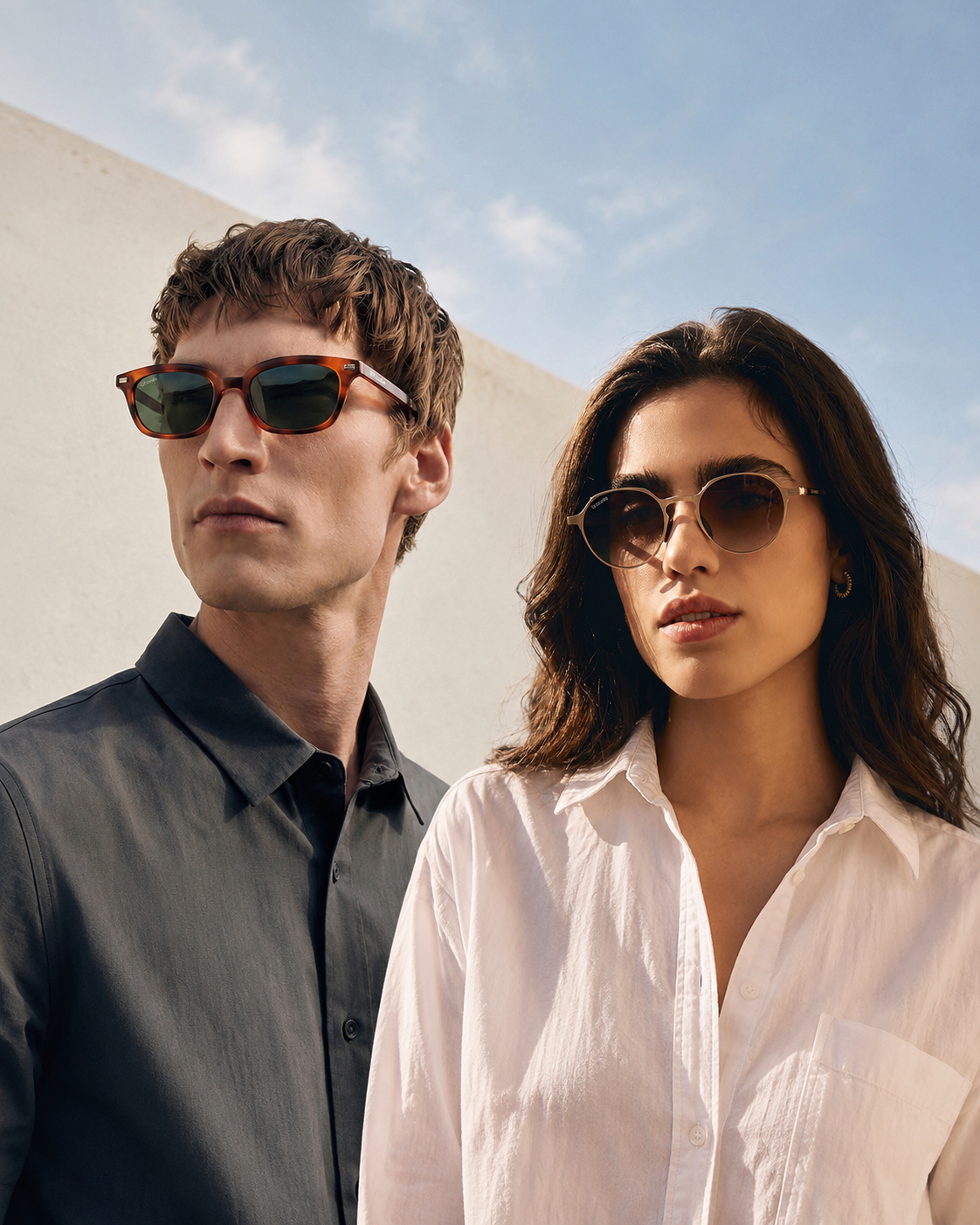
You may also like

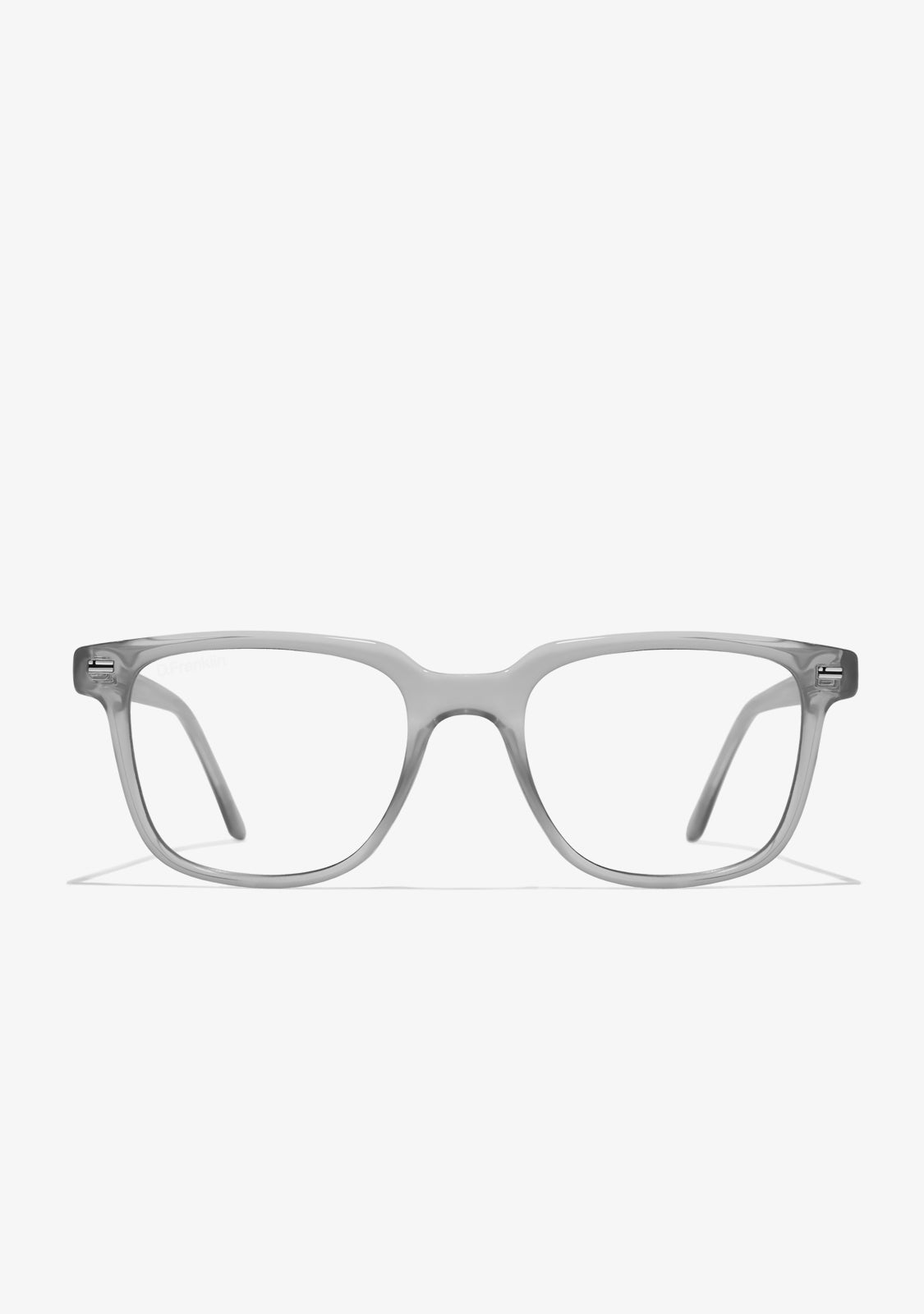
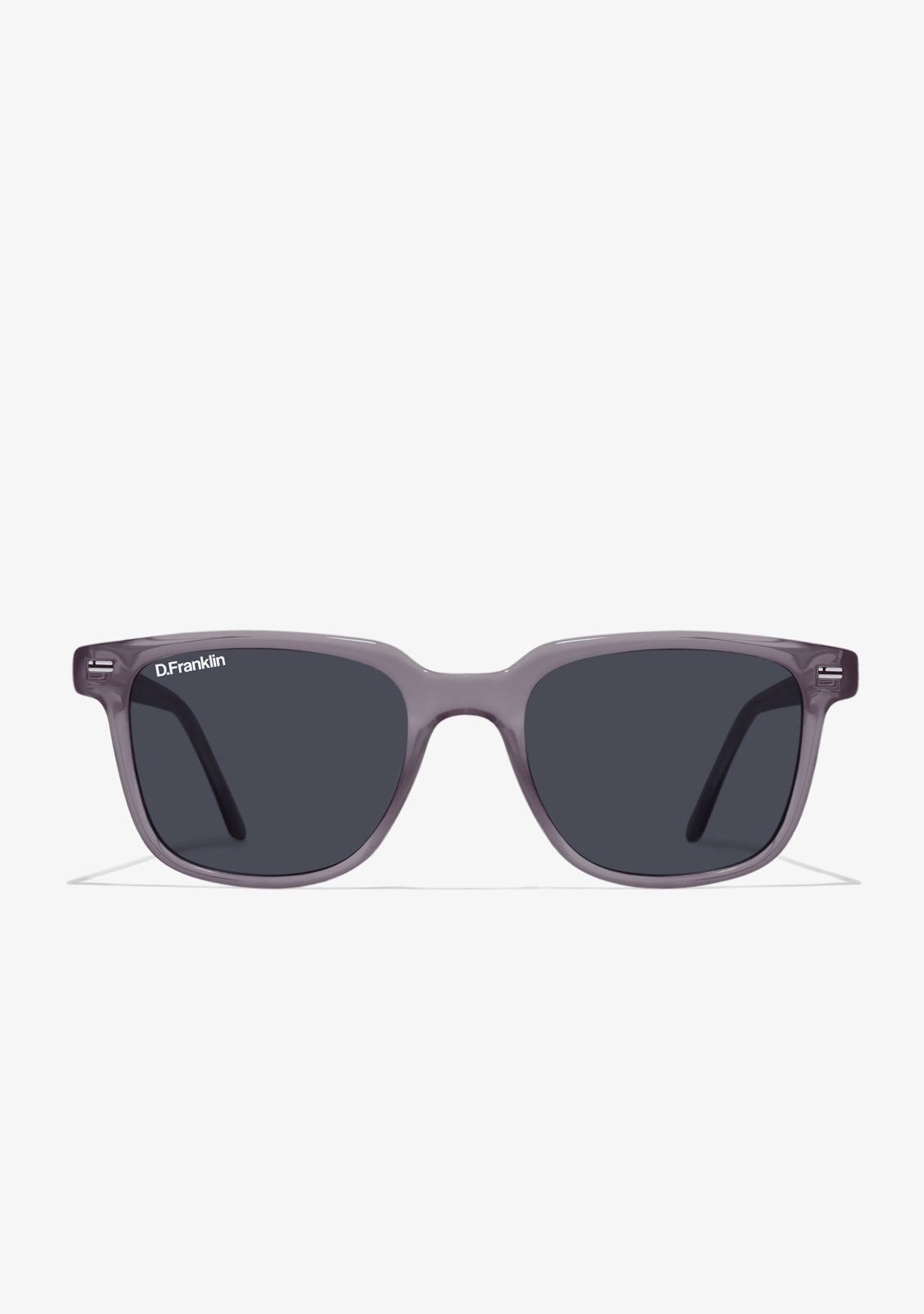


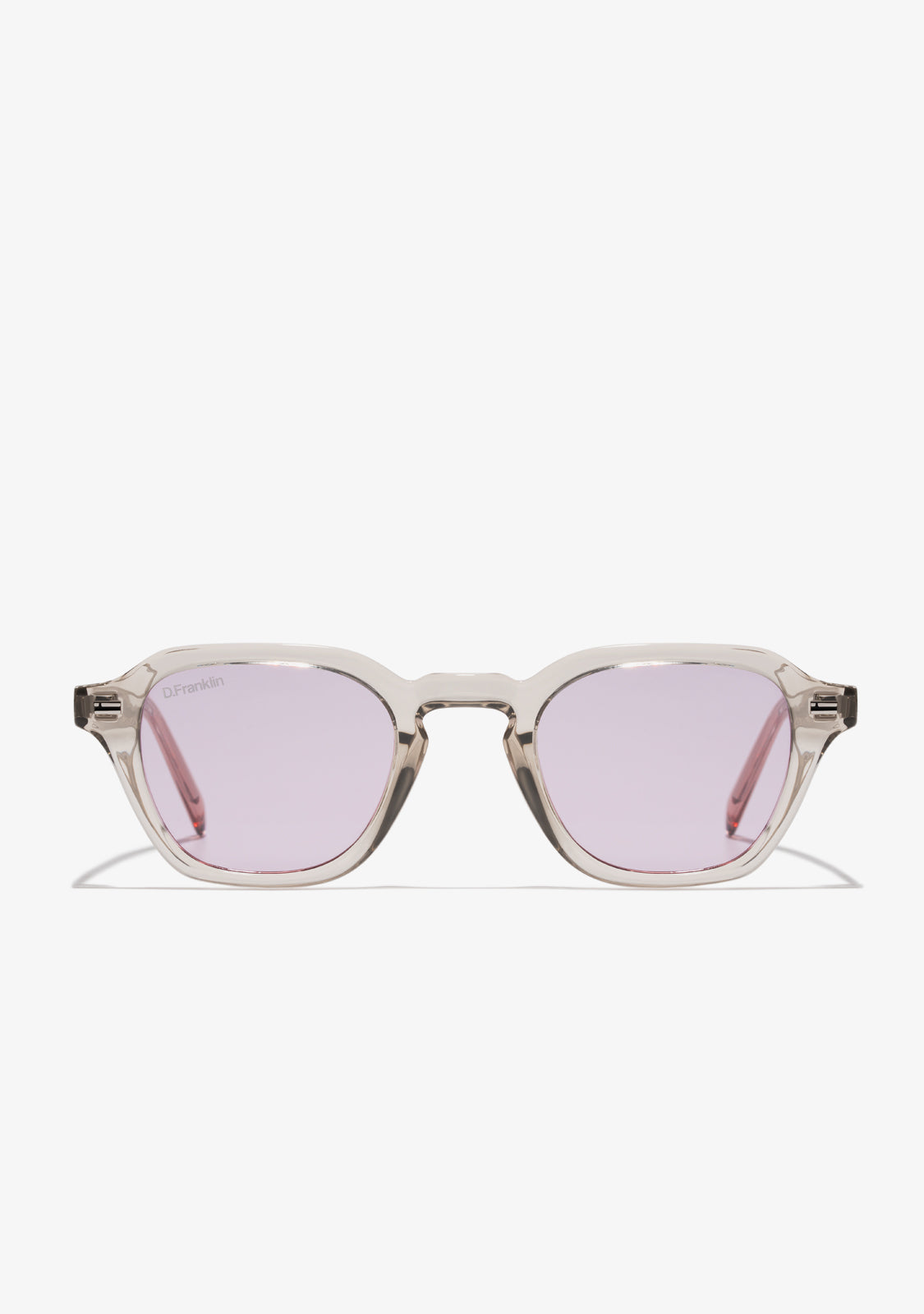


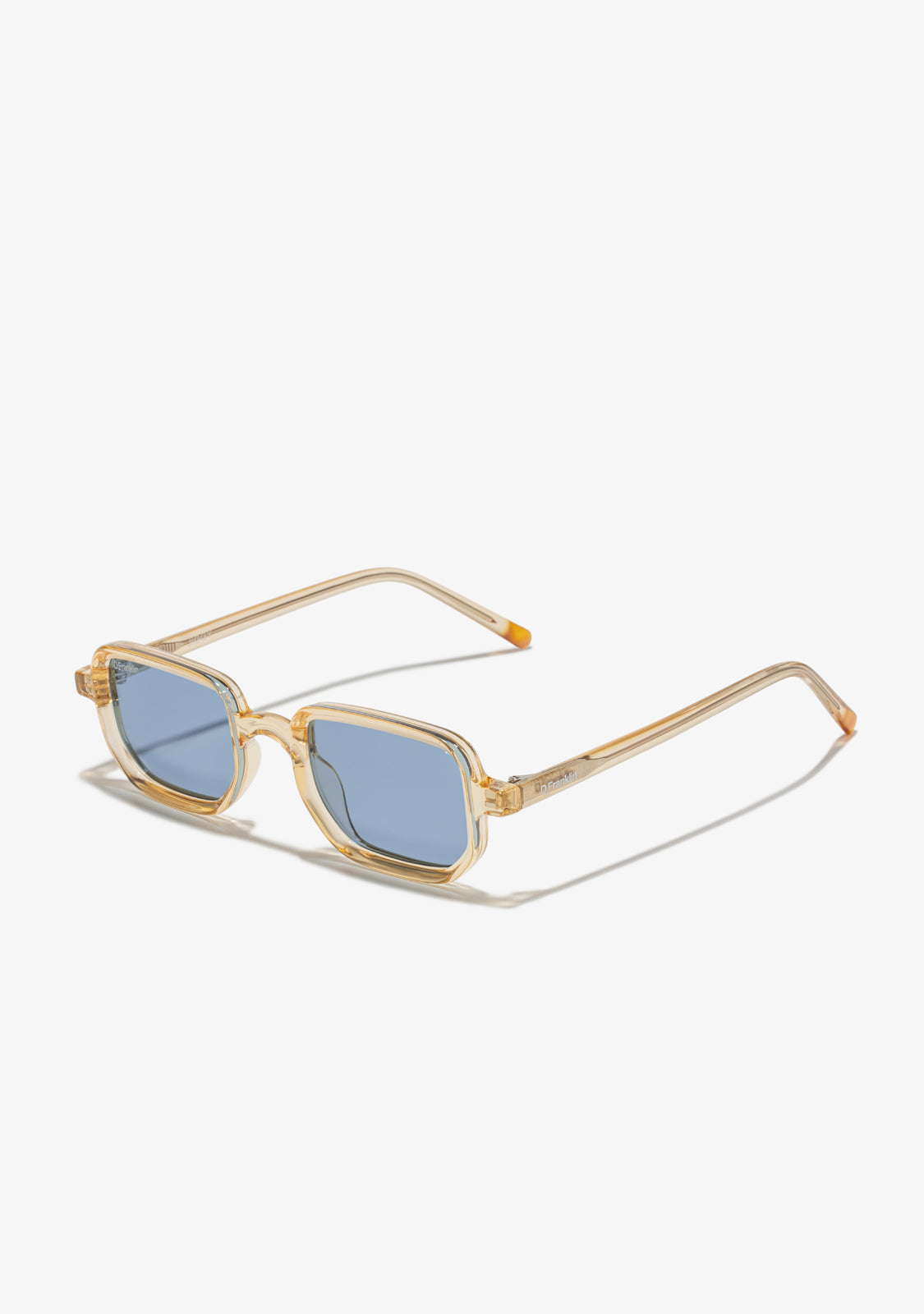

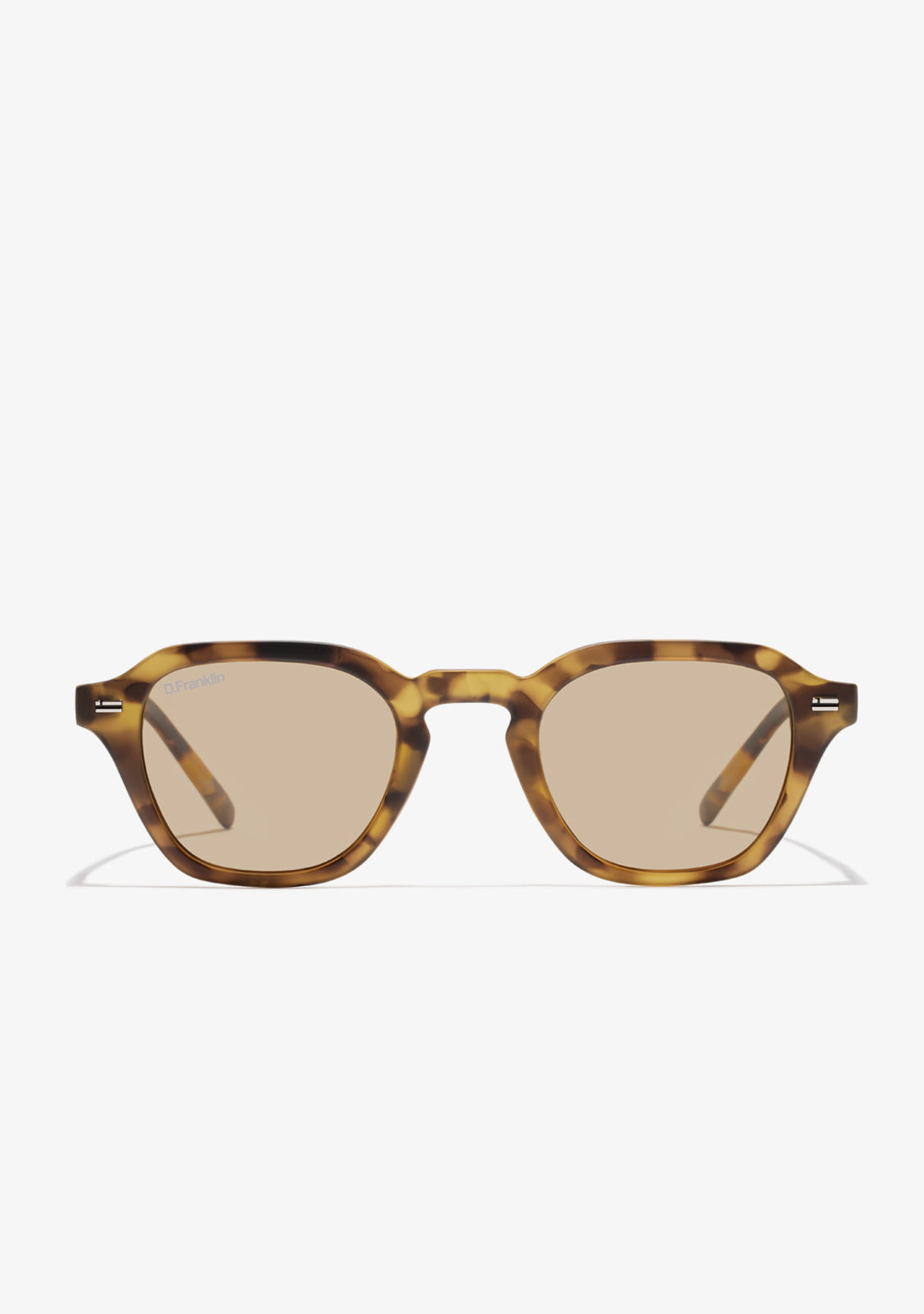


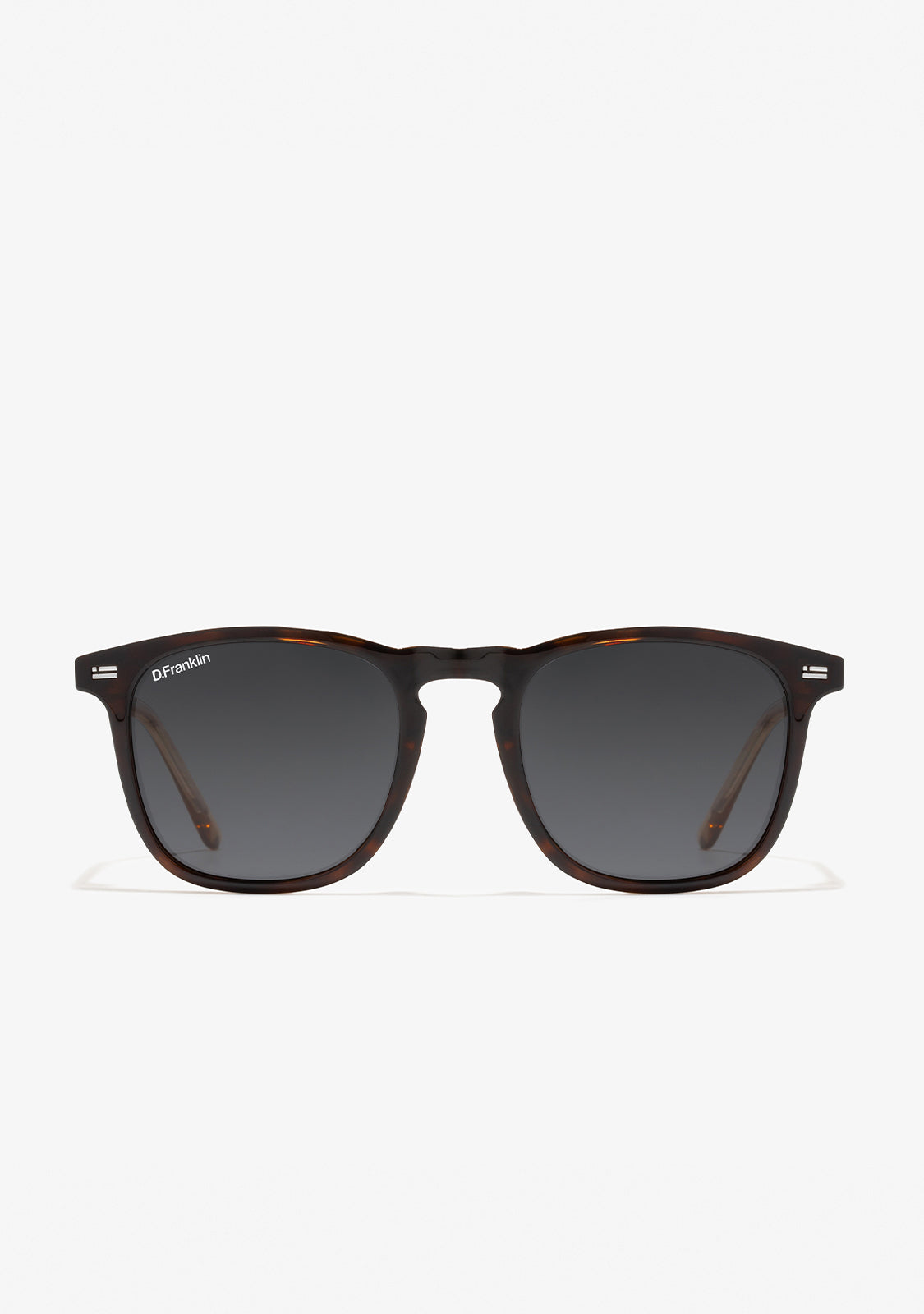
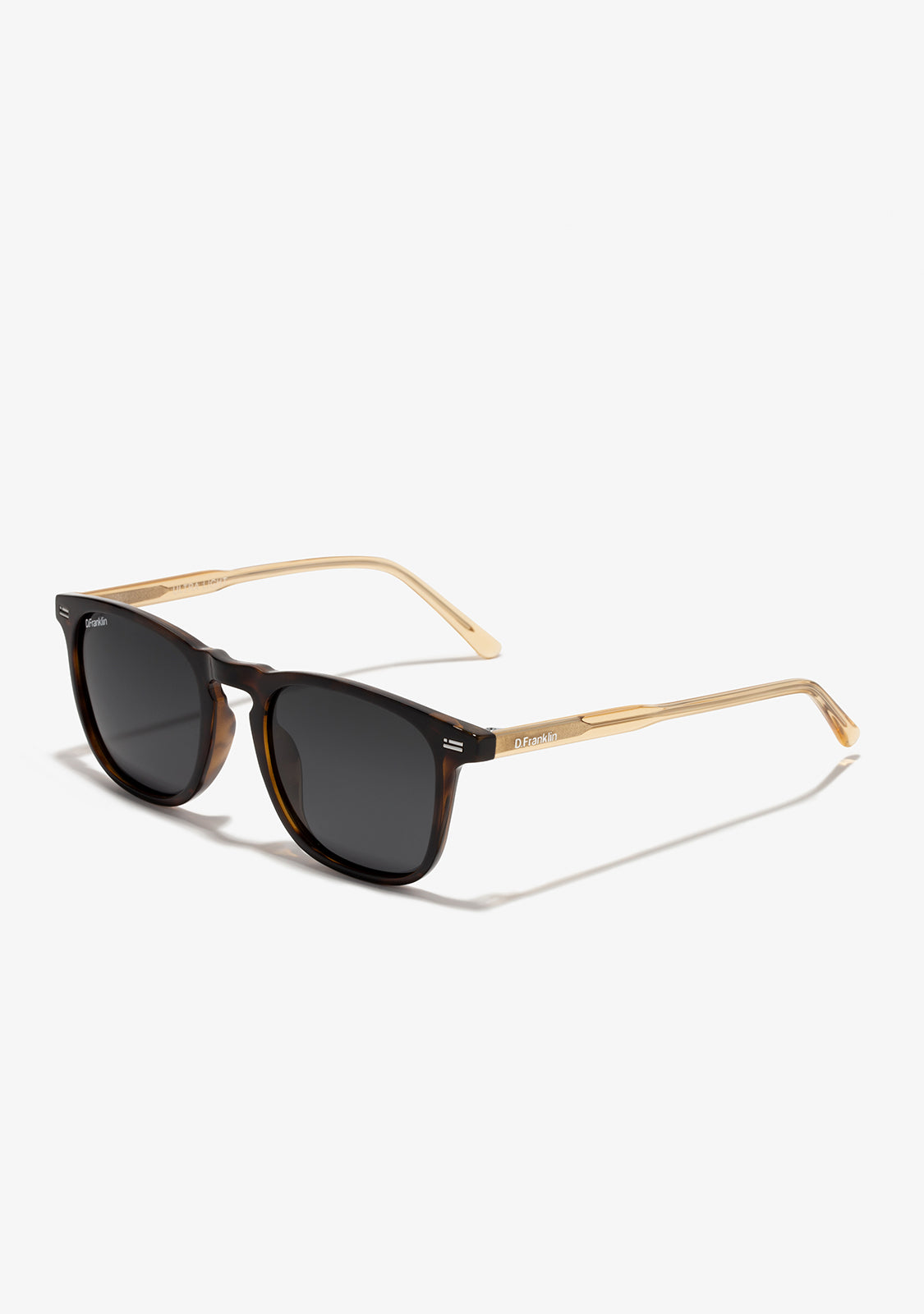

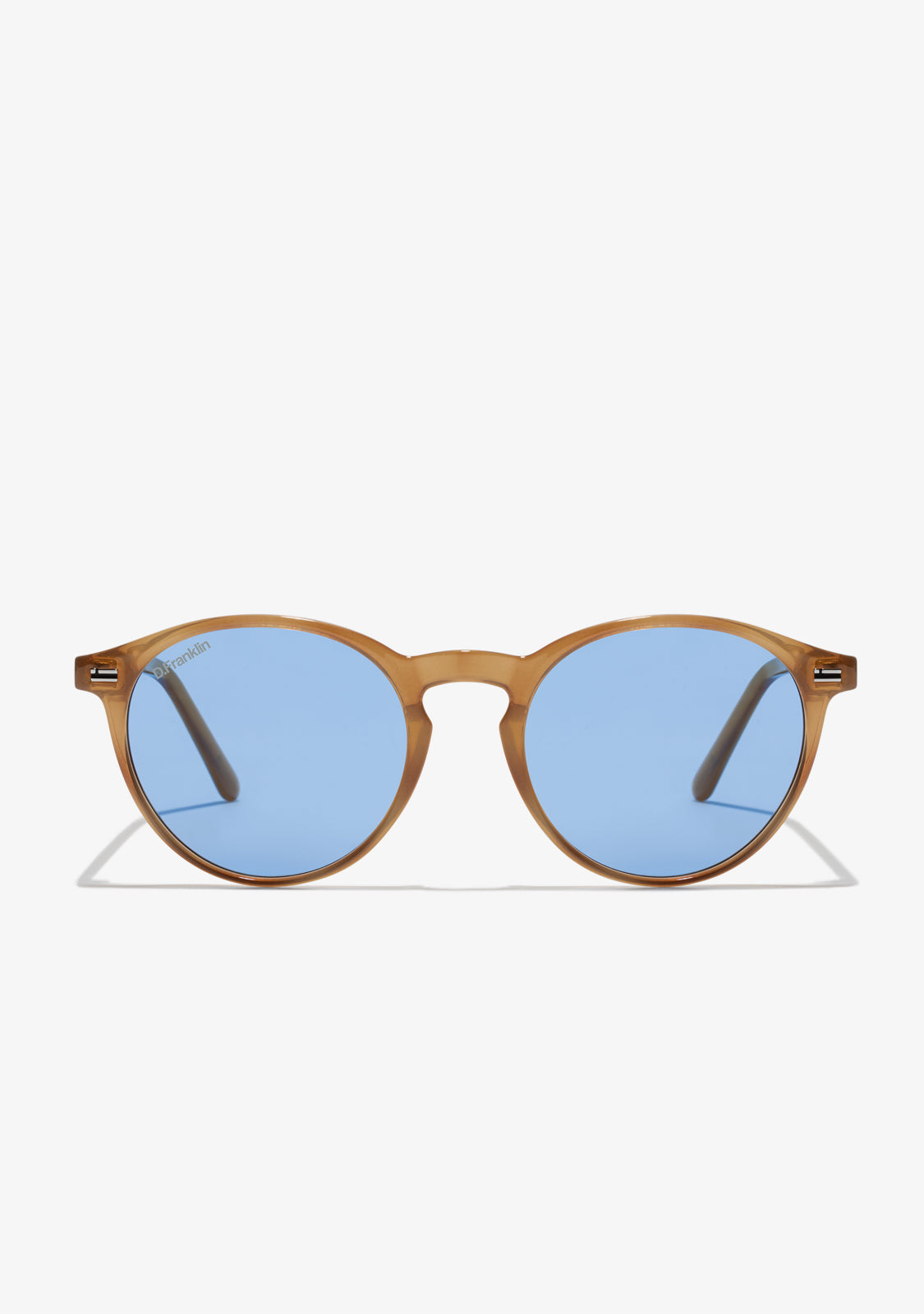
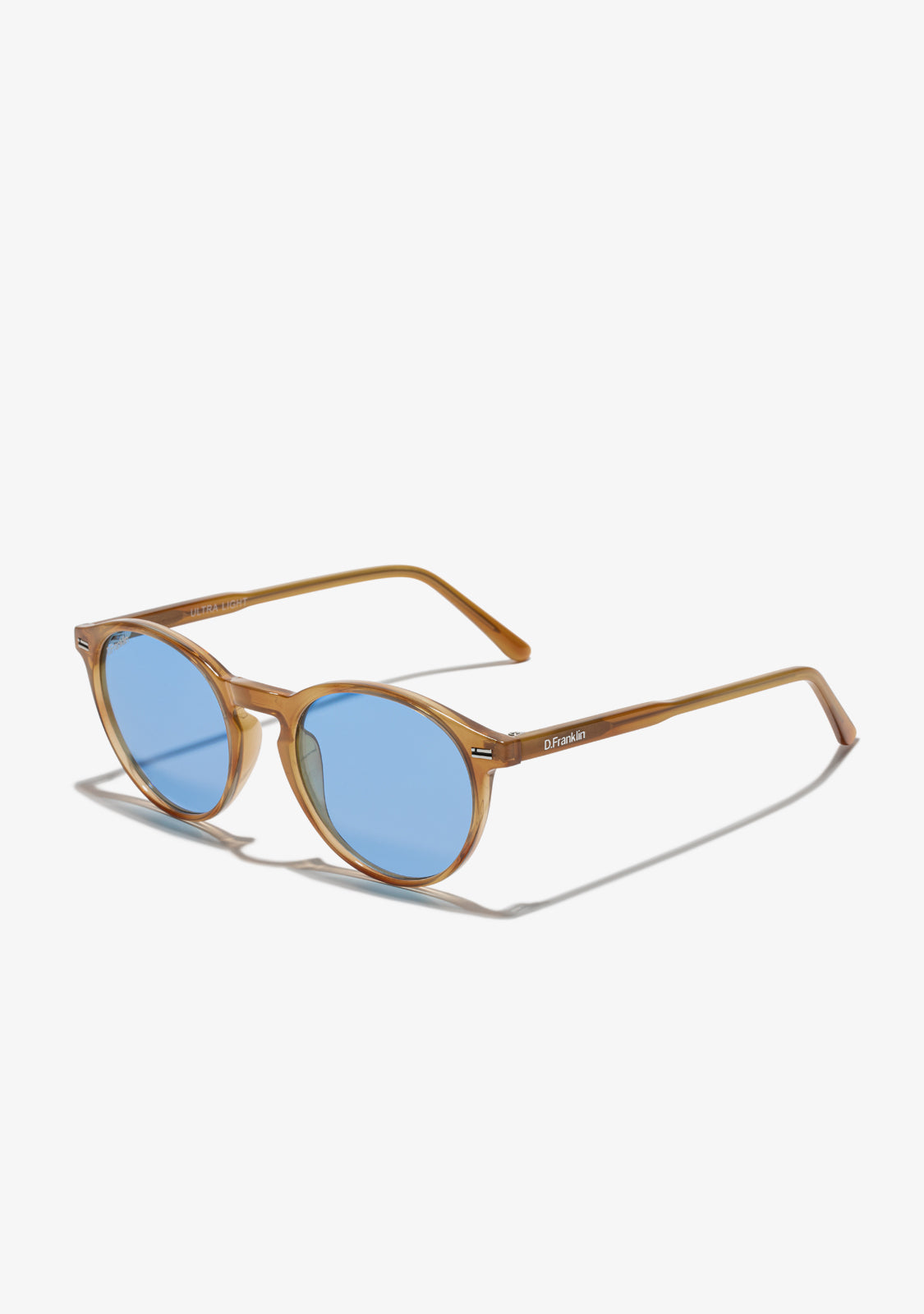


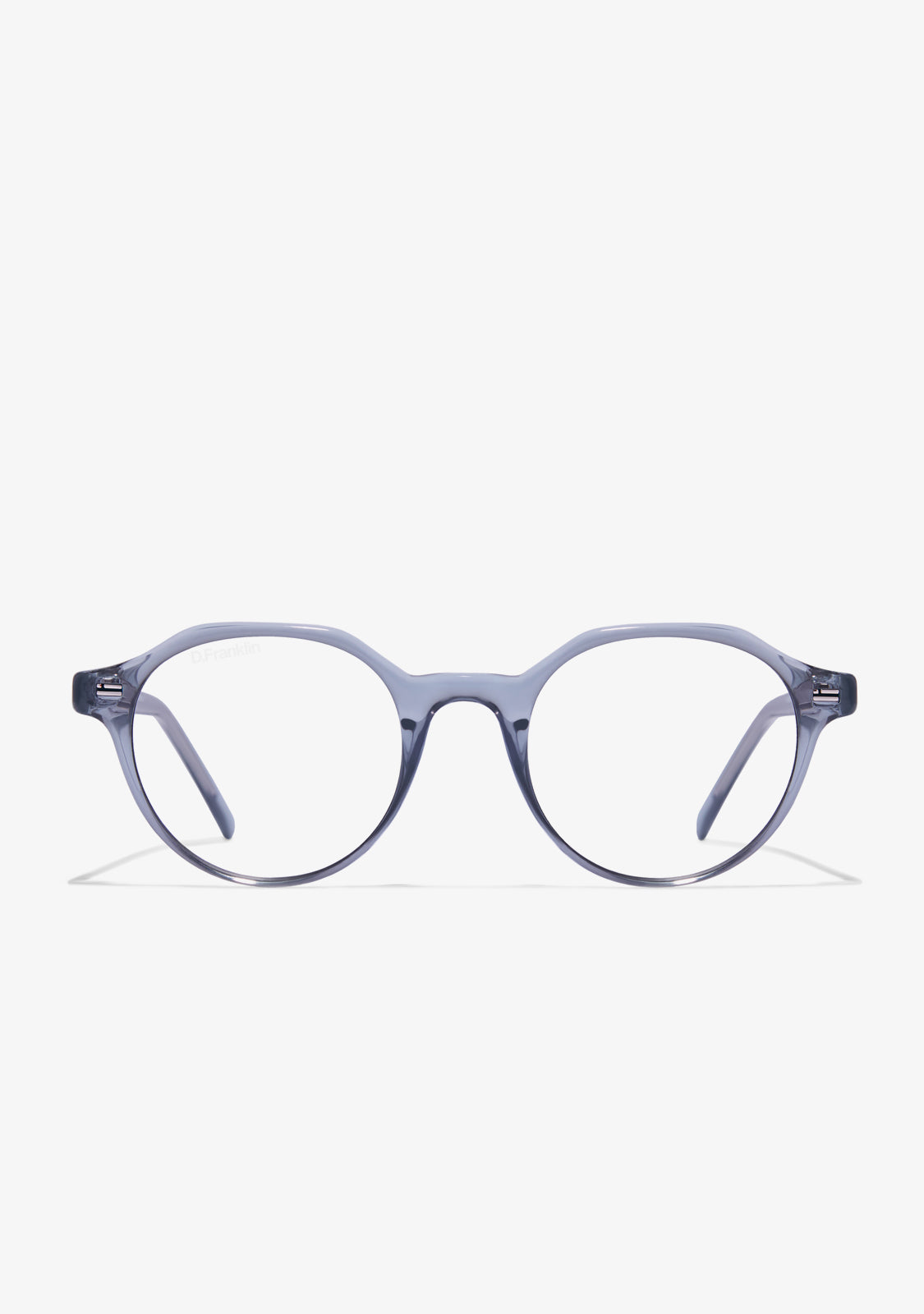
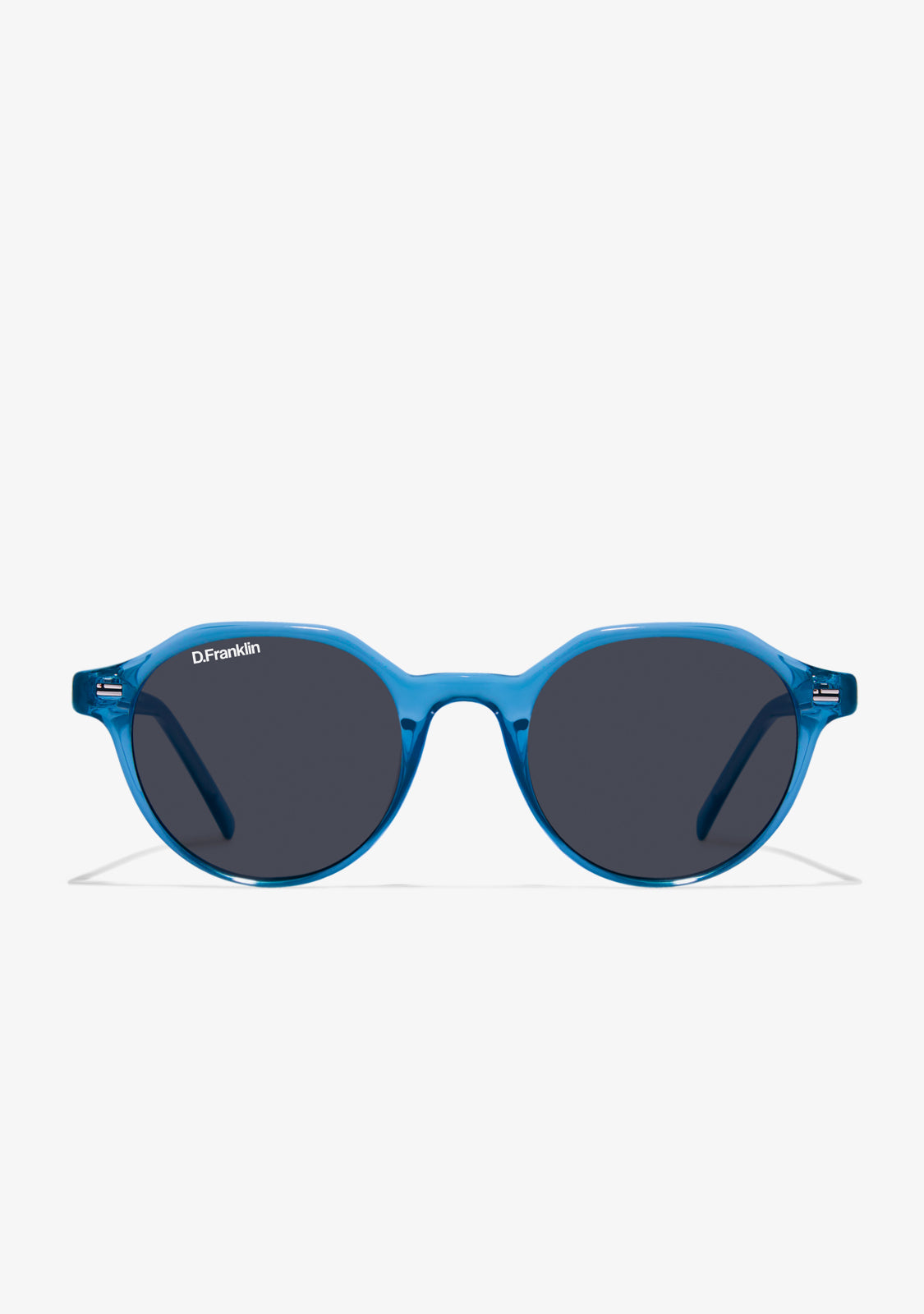
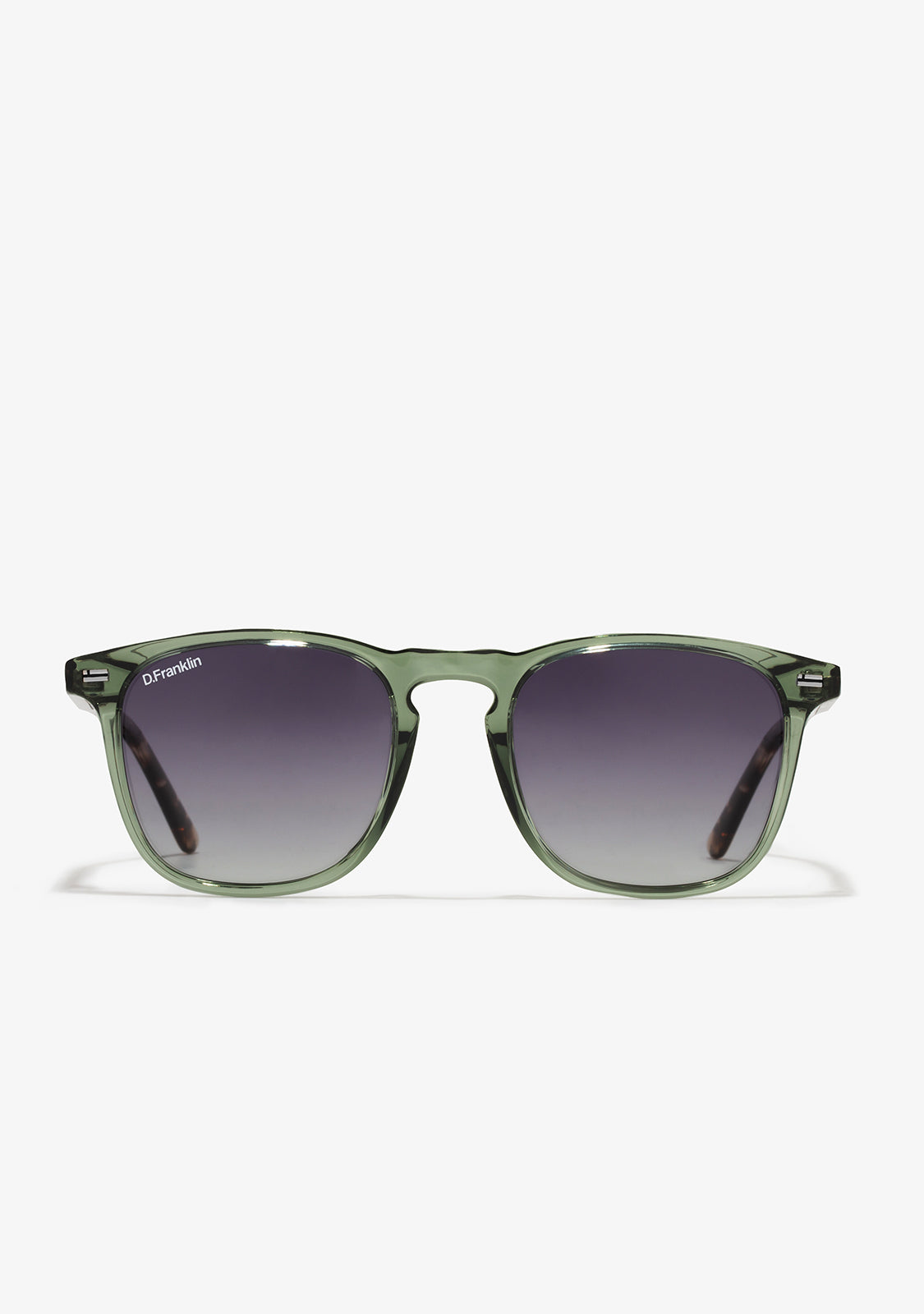
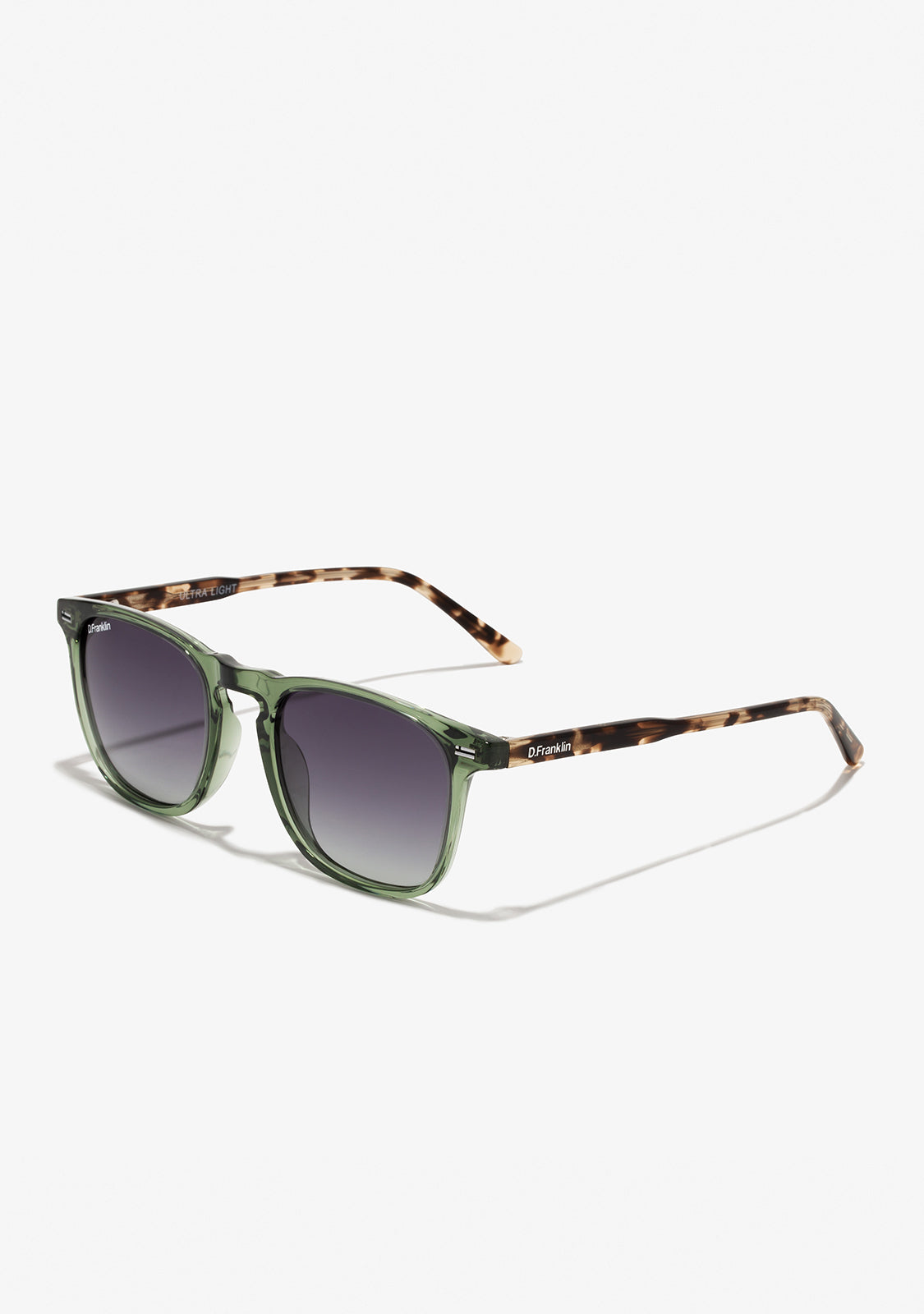

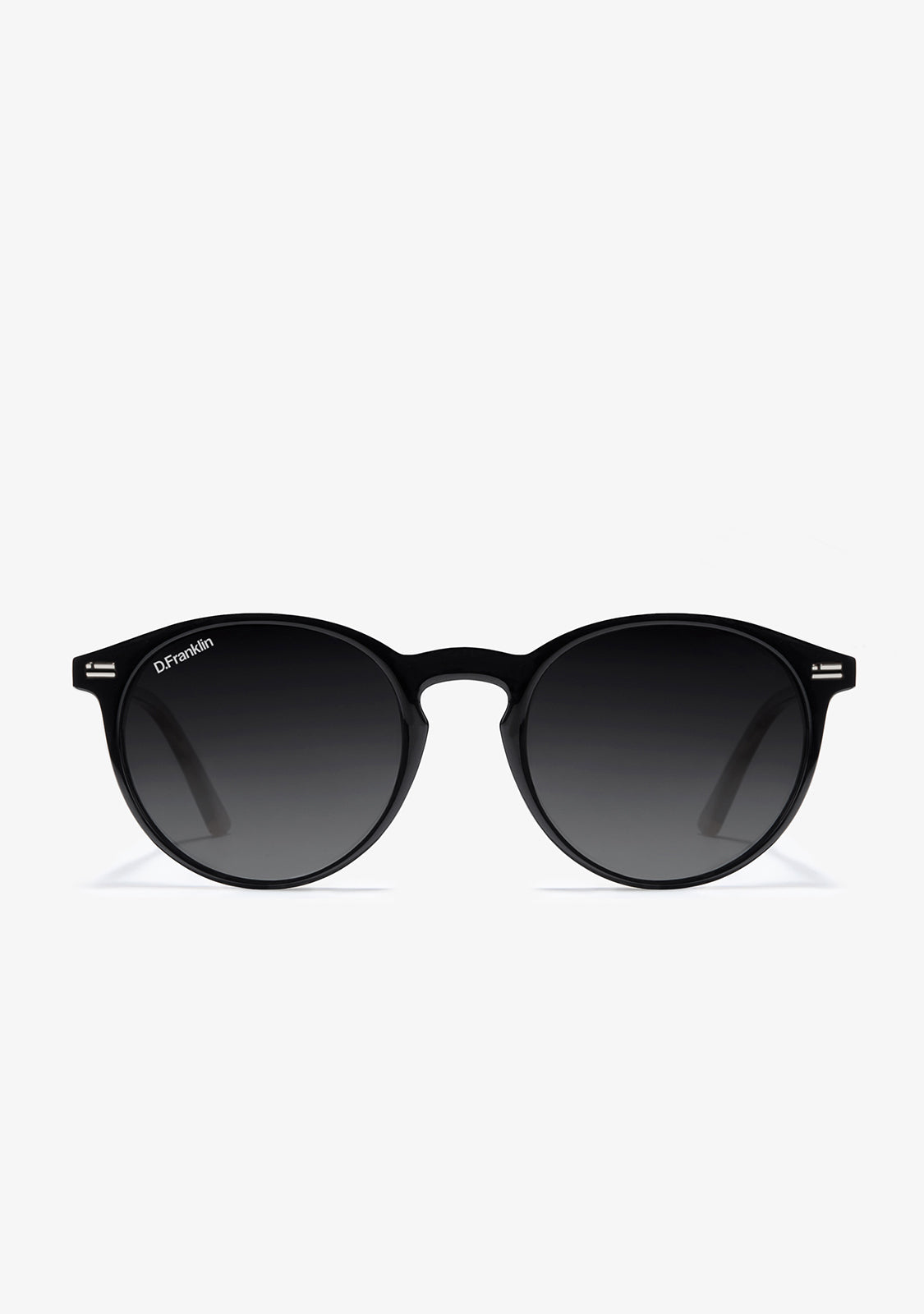
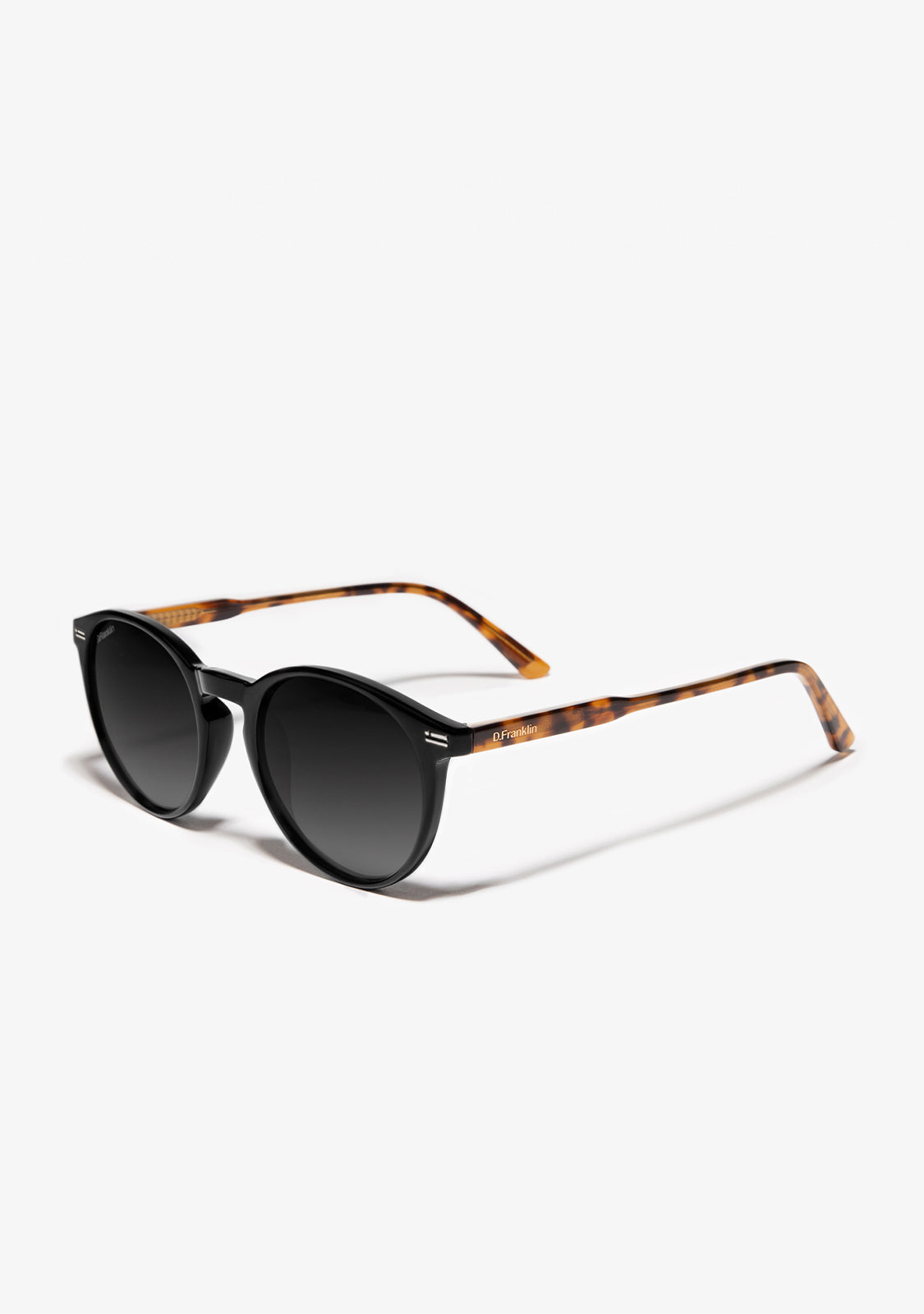

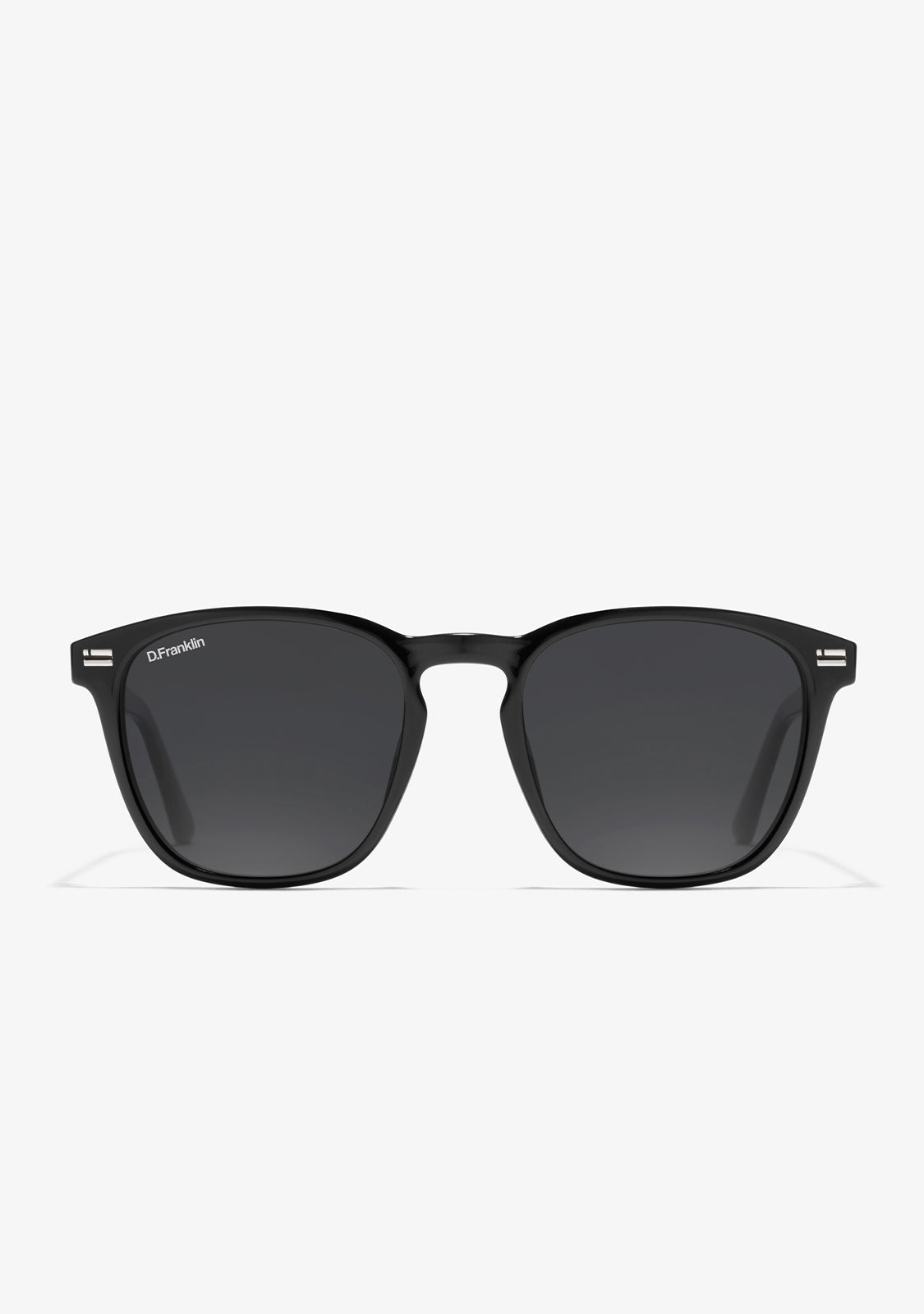
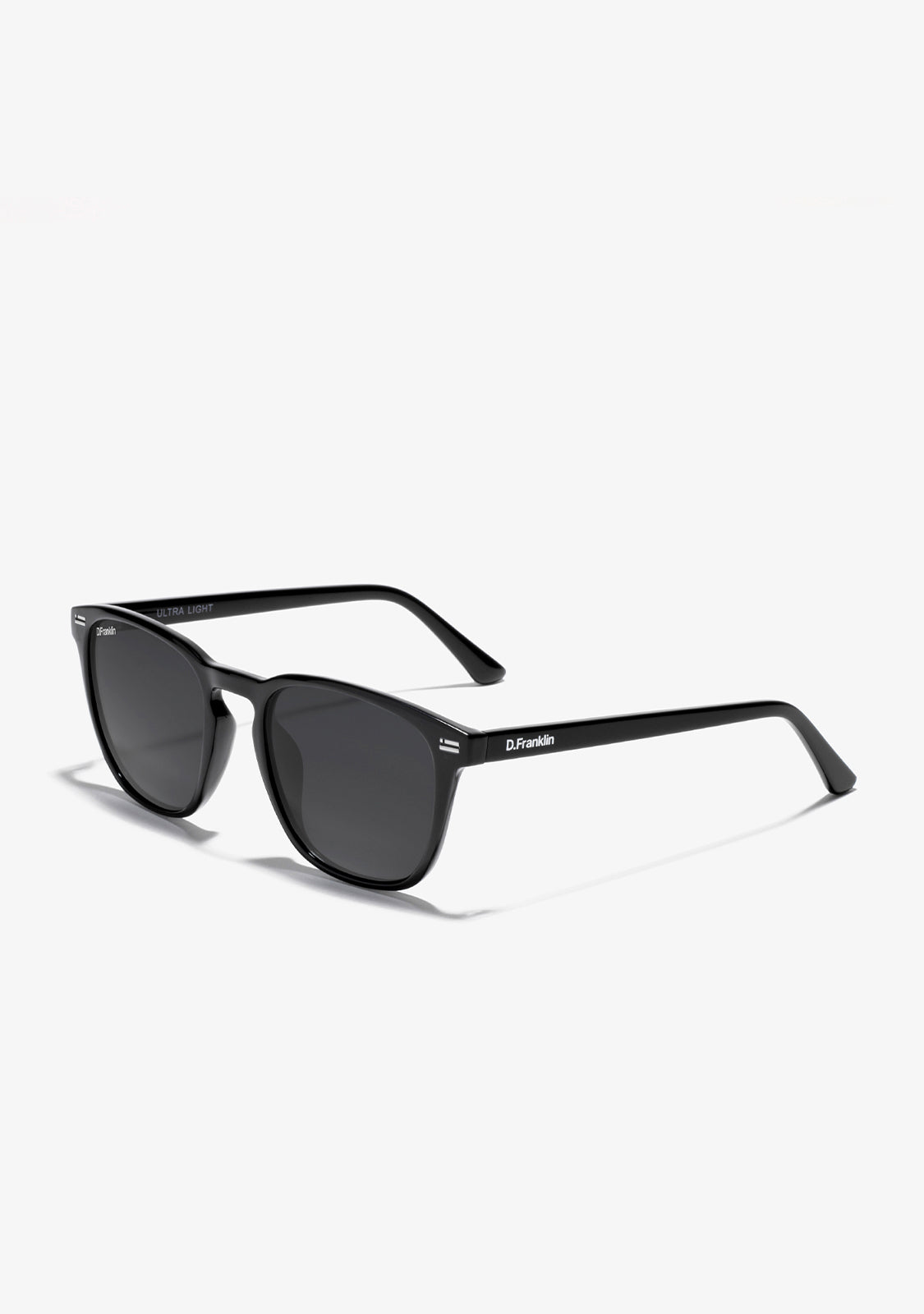

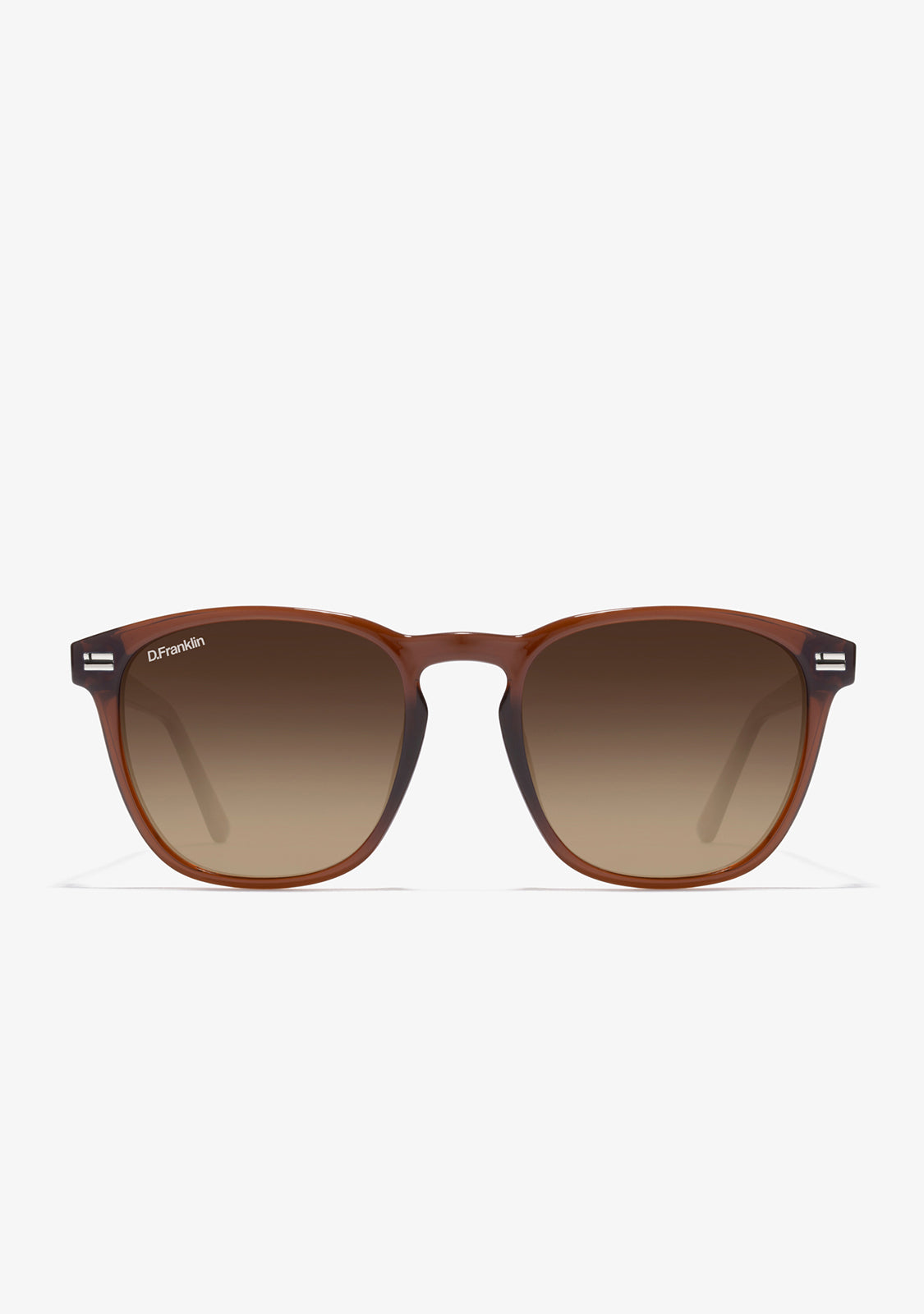
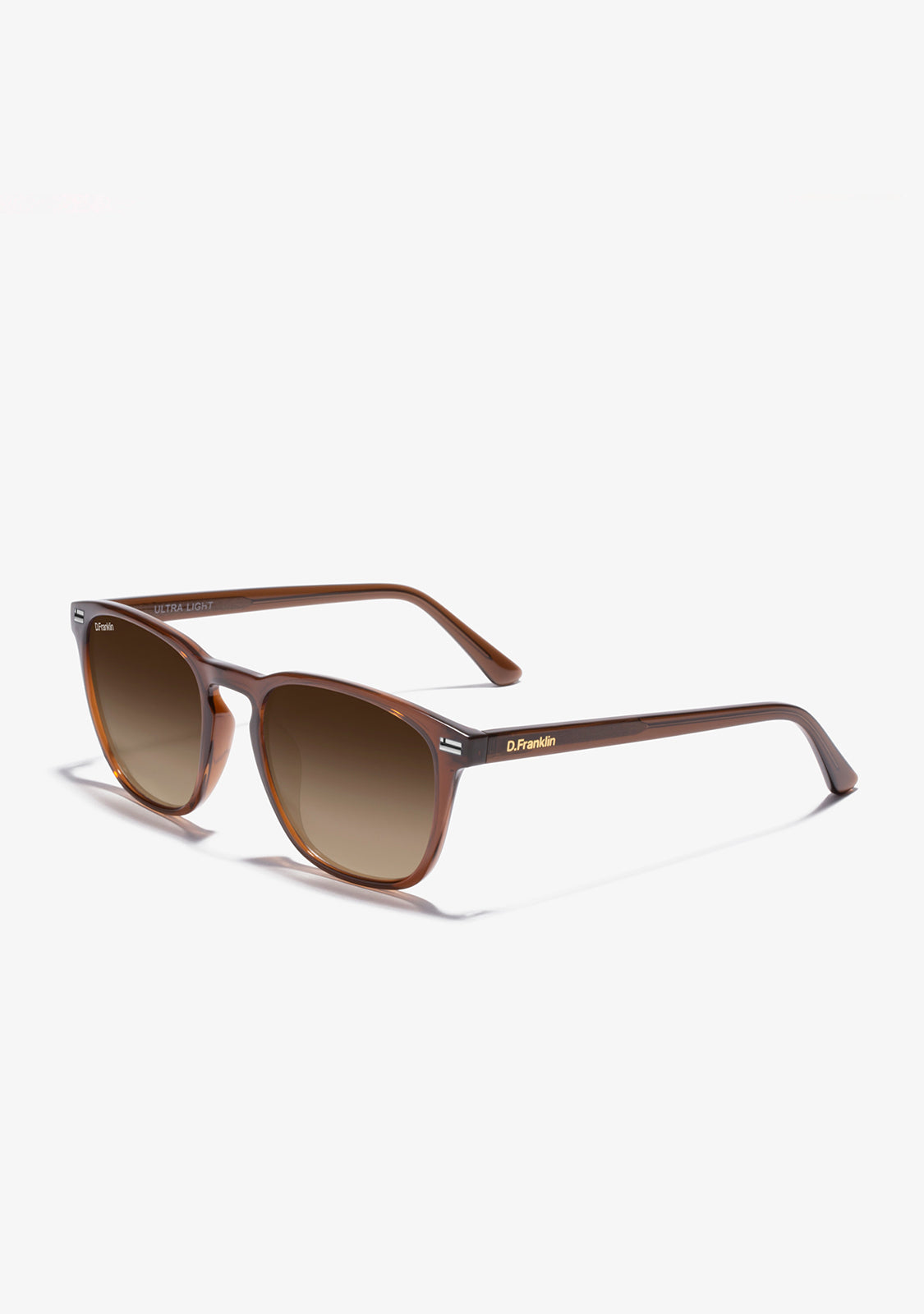


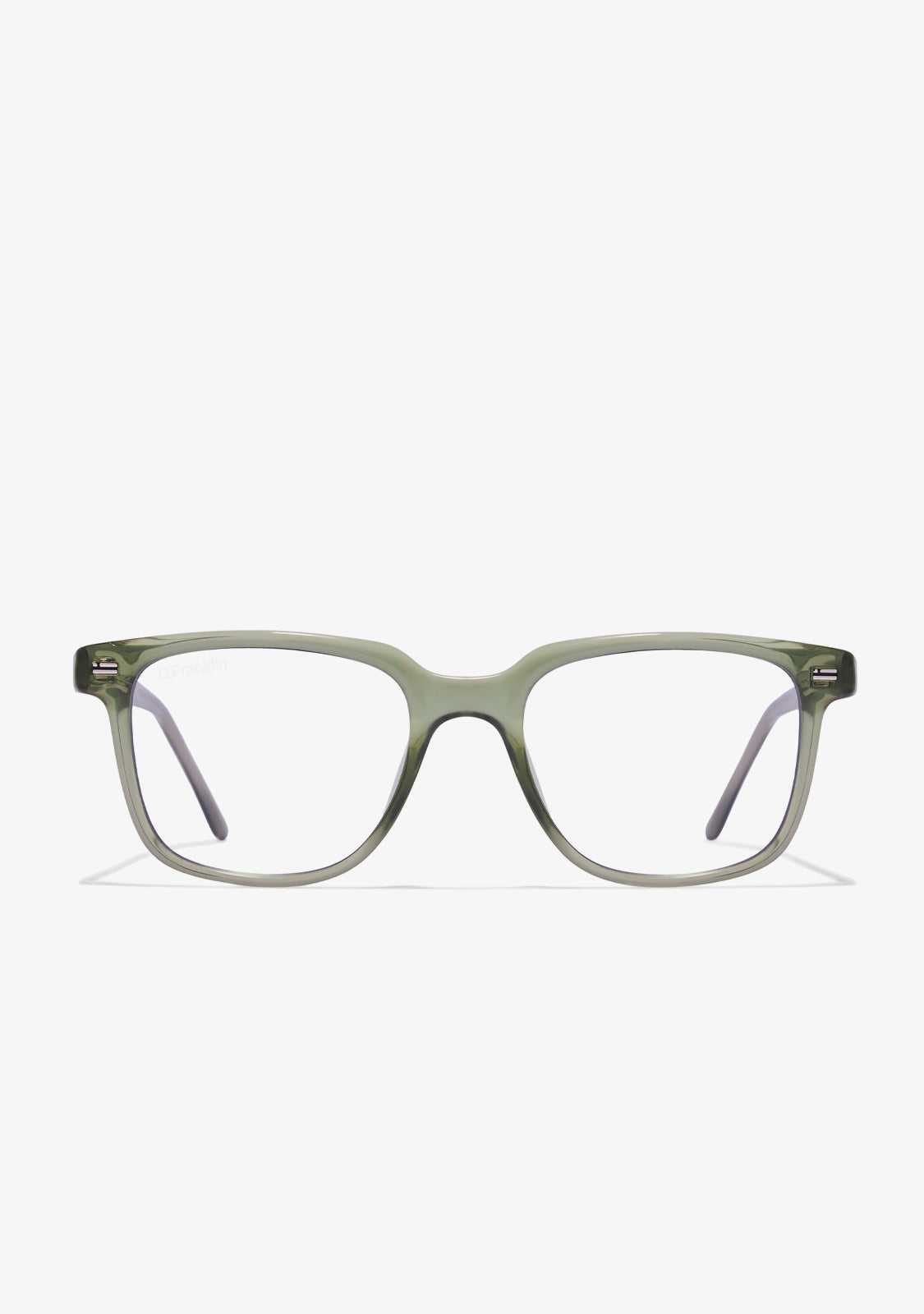
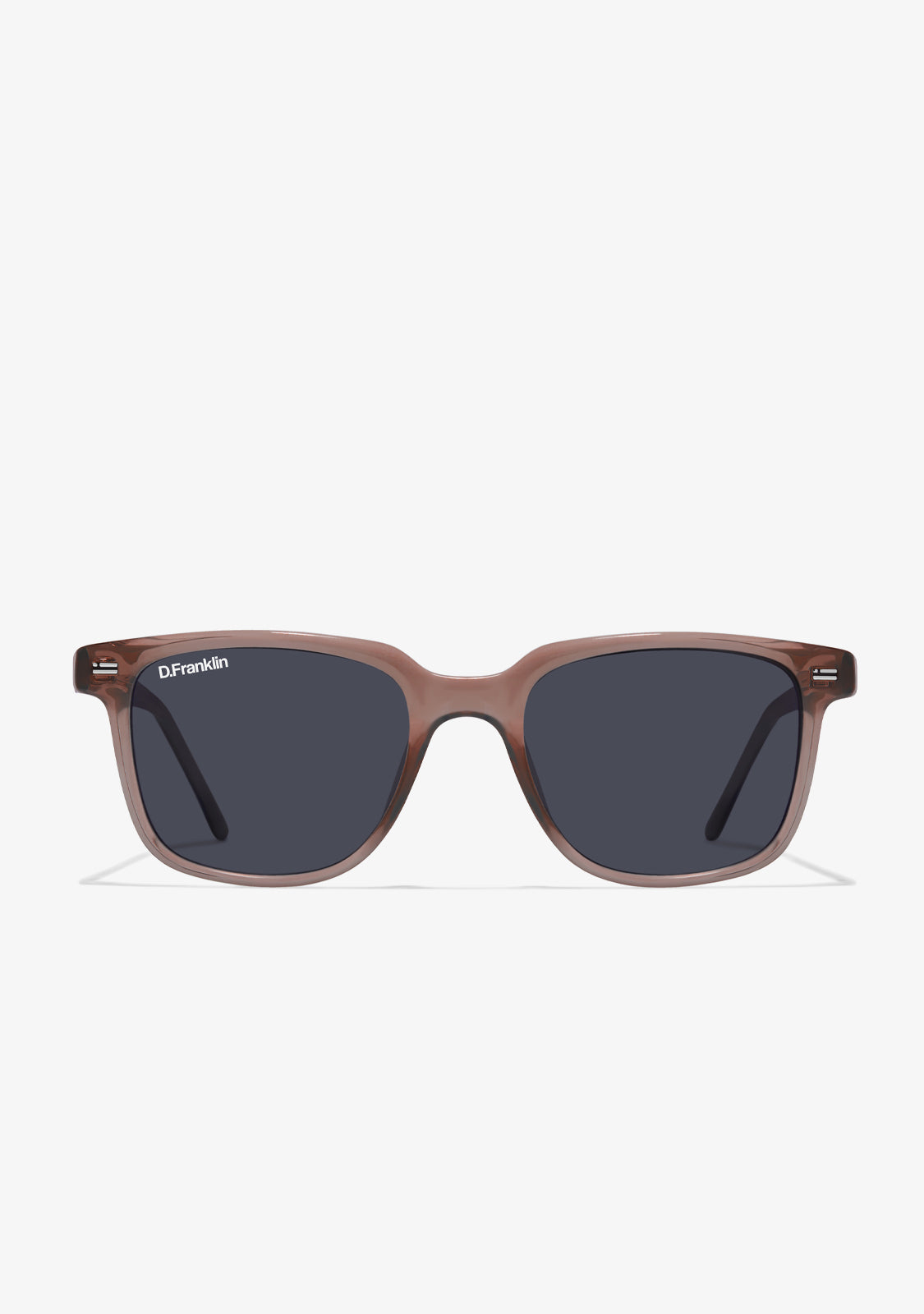
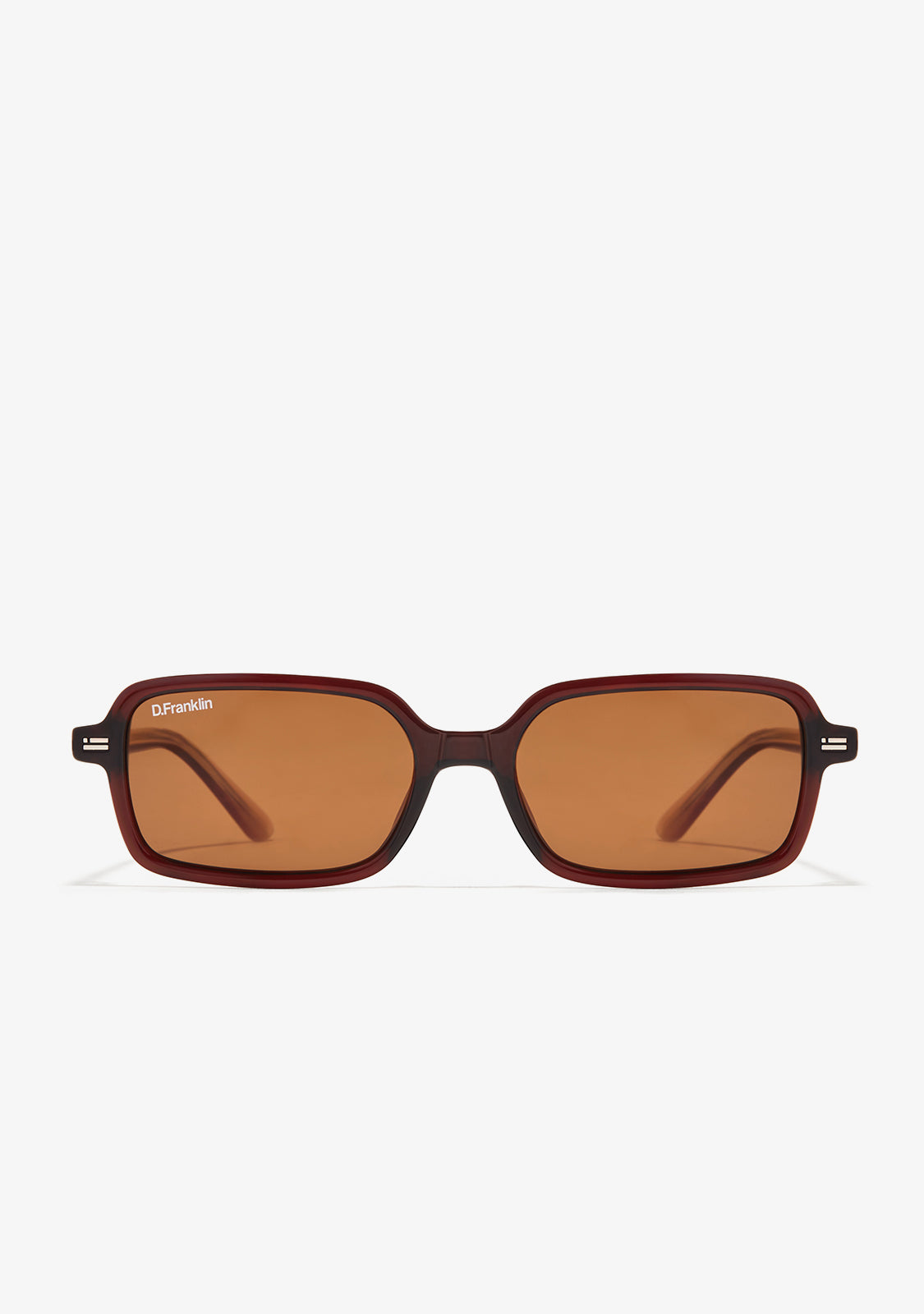



Men's polarised sunglasses: reducing reflections
D.Franklin men's polarised sunglasses combine different silhouettes with lenses that reduce reflections from surfaces such as water or roads. Choose by fit and lens features as well as how the frame works with your style.
For everyday wear, think about when you use your glasses most: walks, outdoor cafés or weekend trips. A comfortable frame and specifications suited to the light matter as much as the finish.
Choose by silhouette, width and bridge fit
Rounded and angular lines create different effects on the face. To compare silhouettes, explore men's sunglasses for square faces. This selection is organised by face shape; check whether each option has polarised lenses.
Front width, temple length and bridge contact help you assess fit. Men's sunglasses do not all share the same measurements, so use a pair that already fits well as a reference.
Polarisation, photochromic lenses and mirrored finishes
A polarised lens reduces certain reflections; a photochromic lens changes tint under specified conditions. A mirrored finish describes a treatment on the lens surface. These features can be combined, but none automatically implies the others.
Check the technical description of the option you choose. A lens's appearance alone cannot confirm polarisation, UV protection or filter category.
Matching frames and comparing sports options
- Choose rounded or angular lines for the effect you prefer, then check the measurements.
- A black front works with a simple colour palette.
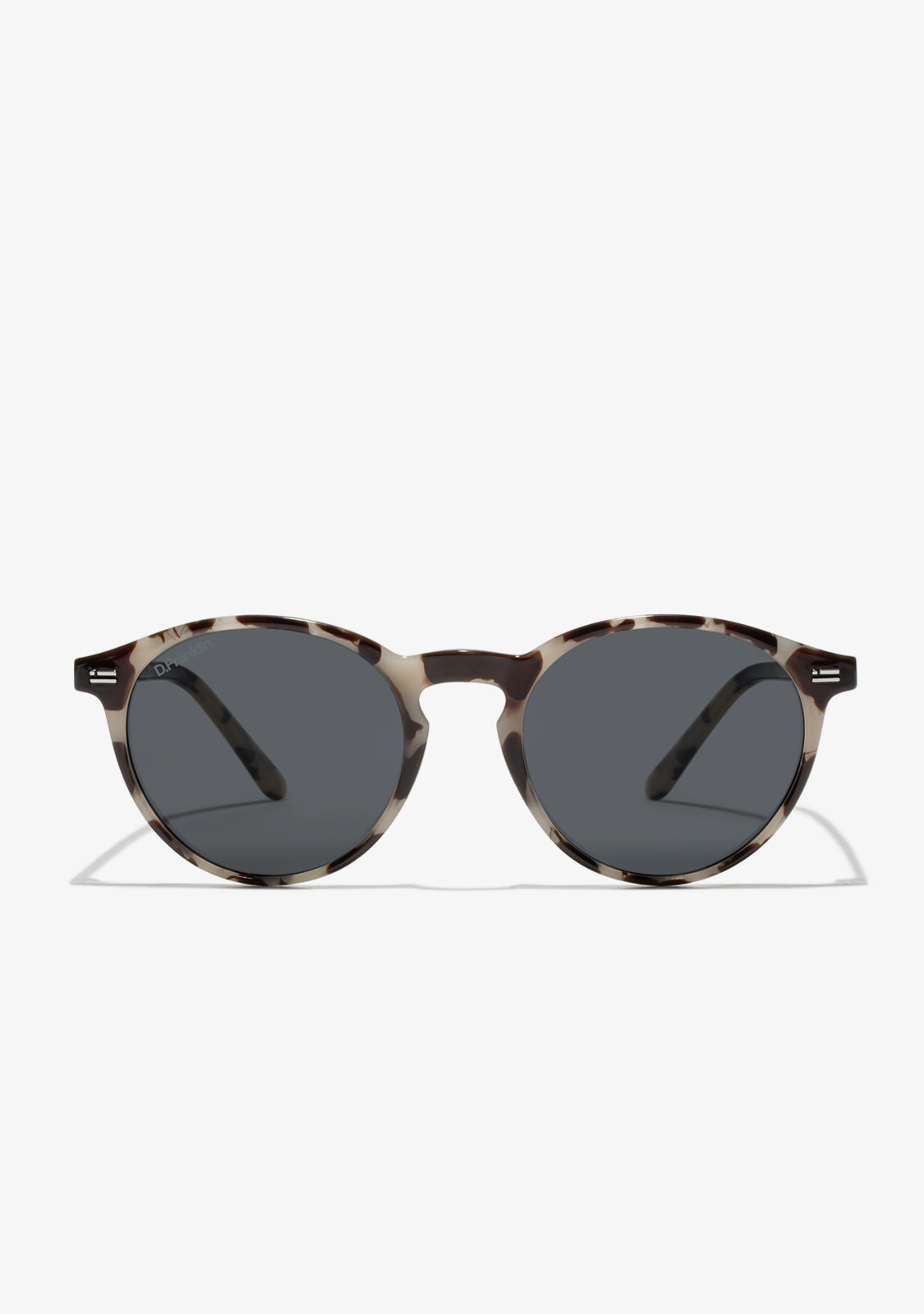
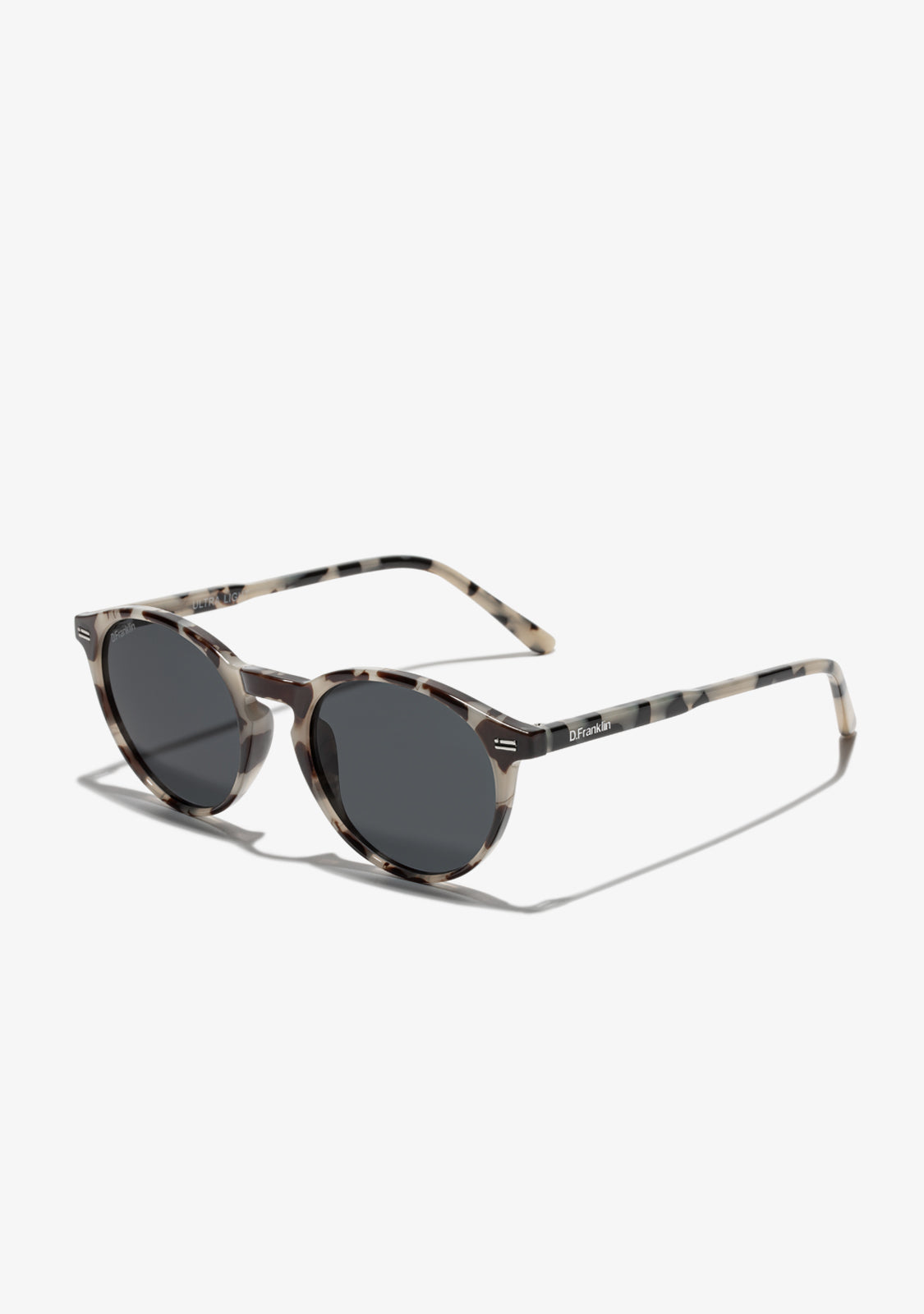
- Compare tortoiseshell sunglasses to add a mottled finish to plain clothing.
- For training, explore polarised sports sunglasses and assess coverage and stability.
- Check that the temples sit comfortably with a cap or any equipment you use.
Filter category, cleaning and storage
Filter category describes visible light filtering; UV protection must be checked separately. Do not use lens colour or darkness alone to decide whether sunglasses suit your intended use.
Remove dust before using a clean microfibre cloth and follow the cleaning instructions. Keep your sunglasses protected in their case, without objects pressing against the lenses, and avoid exposing them to intense heat.
Questions about men's polarised sunglasses
What do polarised sunglasses offer over non-polarised lenses?
A polarising filter reduces certain reflections from surfaces such as water or roads. Consider this feature alongside fit, UV protection and filter category when making your choice.
Do polarised and photochromic mean the same thing?
No. Polarisation reduces reflections, while photochromic technology changes lens tint under specified conditions. Check the technologies separately: they can be combined but are not equivalent.
Does a mirrored lens have to be polarised?
No. A mirrored finish and a polarising filter are different features. Read the specifications to confirm polarisation; a visible reflection on the lens surface does not prove it.
How do I check UV protection and filter category?
Look for both in the specifications and the information supplied with the sunglasses. They describe different properties, so do not infer either from lens tint alone.
How can I tell if a frame is too narrow?
Persistent pressure at the temples or arms that splay too far out can indicate a poor fit. Compare the width with comfortable glasses and check how the bridge rests as well.
Can I choose unisex polarised sunglasses?
Yes. Choose by measurements, bridge contact and the style you like. A unisex label does not specify one frame width or guarantee the same fit on every face.
What should I avoid when cleaning the lenses?
Avoid rubbing over dust or sand, using your shirt as a cloth and applying products not recommended for the lenses. Follow the manufacturer's instructions and use a clean microfibre cloth without trapped dirt.
You may also like
Men's Sunglasses